 Wobo Industrial Equipment Co., Ltd.

CONTACT US


Product Overview
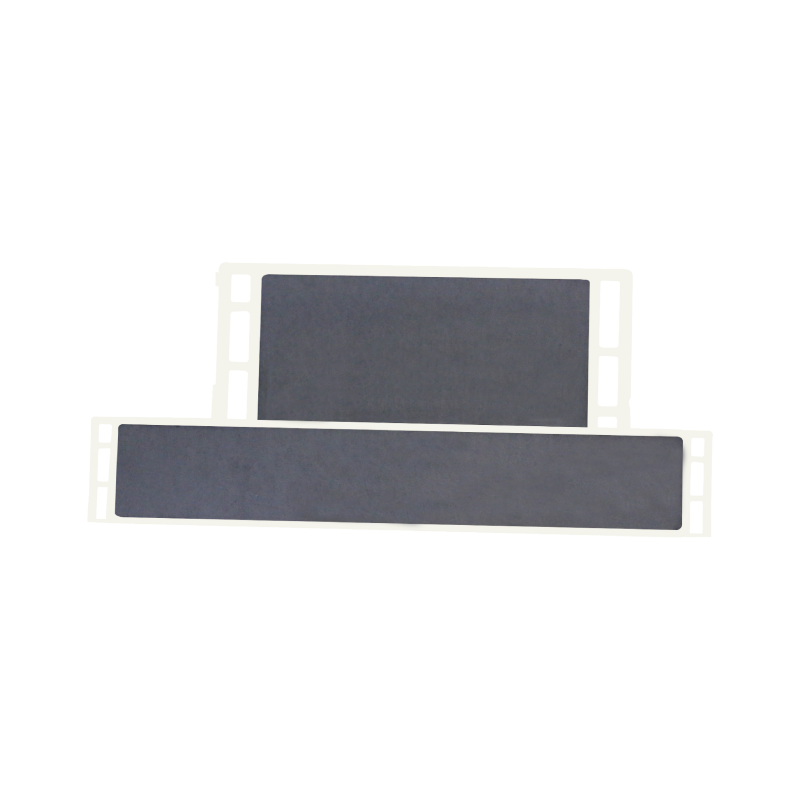
The fuel cell membrane electrode (MEA) is a high-performance product specifically designed for fuel cell applications. It features low platinum loading, excellent electrochemical performance, and long service life. The MEA provides stable and efficient proton conduction and catalytic reactions across various fuel cell systems, offering reliable power for automotive and commercial fuel cells while playing a key role in renewable energy applications.
Working Principle
The MEA structure consists of a proton exchange membrane sandwiched between two catalyst layers. The catalyst is uniformly applied to the membrane surface using a high-precision coating process, enabling efficient electrochemical oxidation and reduction reactions. With a Pt catalyst loading of only 0.35 mg/cm², the cell achieves a voltage >0.65 V at 2 A/cm² and a peak power density of up to 1.8 W/cm². Optimized layer structure and catalyst distribution allow rapid proton transport and efficient gas molecule reactions, ensuring durability and stability during extended operation.
Key Features
- High Performance:Pt loading 0.35 mg/cm²; >0.65 V at 2 A/cm², peak power density up to 1.8 W/cm².
- Durability:Suitable for commercial vehicle operation exceeding 15,000 hours; catalyst durability up to 80,000 cycles.
- Customizable Design:Over 300 MEA variants available to meet diverse application requirements.
- Innovative Manufacturing:CCM double-sided coating process ensures catalyst loading tolerance <1% for consistent product quality.
- Automated High-Speed Packaging:Supports multi-layer MEA assembly with maximum lamination speed of 6 units/min; 100% inspection for gas tightness and thickness.
Applications
- Automotive Industry:Powers hydrogen fuel cell vehicles, providing high-efficiency, clean energy solutions for transportation.
- Commercial Vehicles:Enables high-performance, long-life operation for buses, trucks, and other commercial vehicles, improving economy and environmental performance.
- Renewable Energy:Supports hydrogen and other renewable energy applications, advancing sustainable energy adoption and transition.
| Item | EPM-H151N | EPM-B161N |
| Total Pt Loading (mg/cm²) | 0.35 | 0.45 |
| Stack Performance (W/cm²) | >1.5 | >1.3 |
| Service Life for Commercial Vehicles (hrs) | >15,000 | >25,000 |
| Catalyst Durability (80°C) | >80,000 cycles | >100,000 cycles |
| Catalyst Support Durability (80°C) | >1,000 cycles | >3,000 cycles |
| Product Features | High Performance | Balanced Durability & Performance |
| Notes | Catalyst durability: After accelerated aging at 0.6–0.95 V, voltage loss <30 mV at 0.8 A/cm², ECSA loss <40% | |
| Catalyst support durability: After accelerated aging at 1–1.5 V, voltage loss <30 mV at 1.5 A/cm², ECSA loss <40% | ||