 Wobo Industrial Equipment Co., Ltd.

CONTACT US


Working Principle
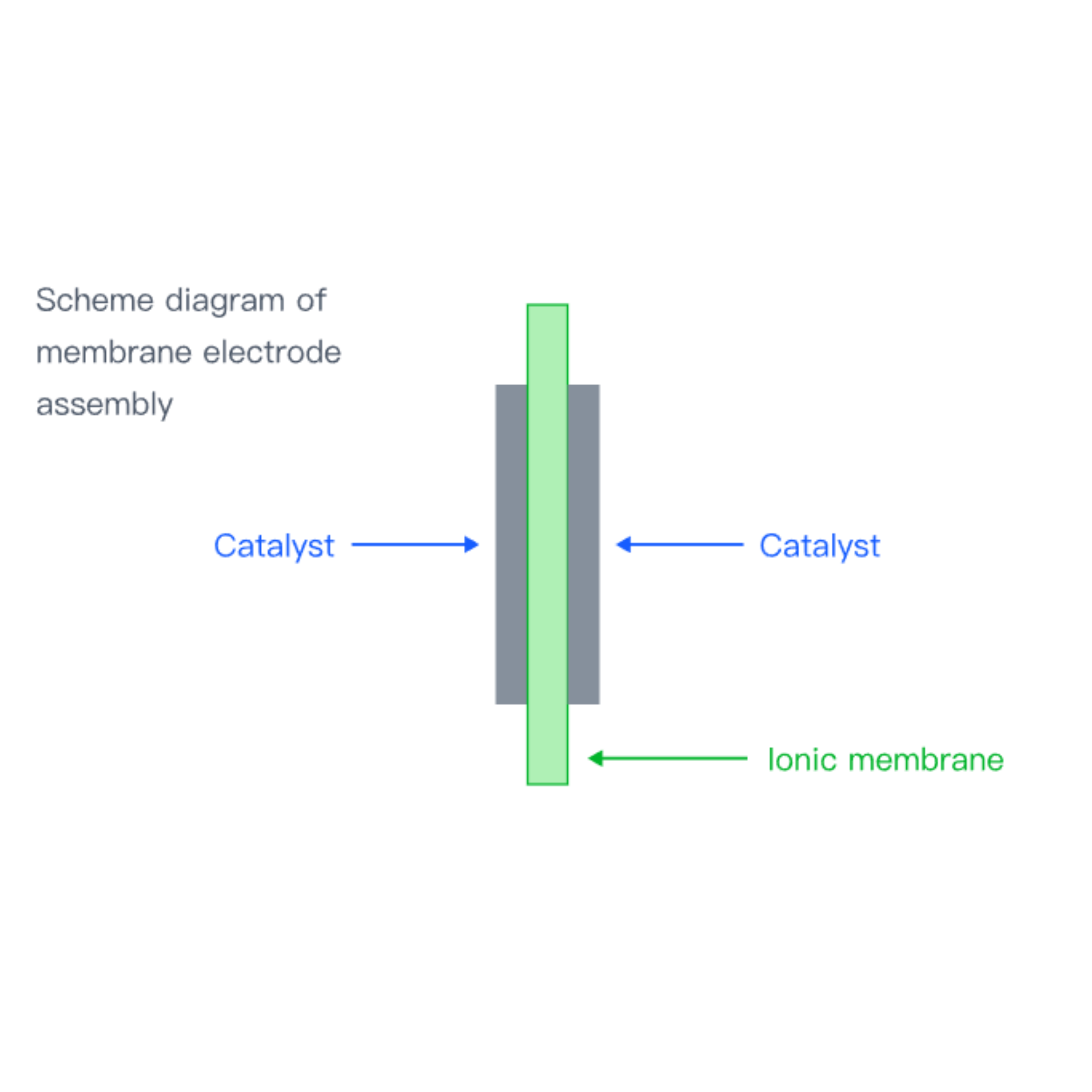
The catalyst operates via electrochemical or catalytic reduction mechanisms. Nano-scale bimetallic active centers on the material surface promote CO₂ adsorption and activation.
- CO₂ Capture: Basic carbon adsorption sites selectively capture CO₂ molecules, enriching them at the catalytic interface and lowering the activation energy.
- Conversion: Under an applied electric field or appropriate reaction conditions, CO₂ undergoes reduction on the catalyst surface, producing target products such as carbon monoxide, methanol, or ethylene.
- Regeneration: Optimized regeneration methods restore active sites, extending catalyst life while maintaining high conversion efficiency and stability.
Key Features
- High Activity & Efficiency: Nano-scale bimetallic catalysts deliver rapid and effective CO₂ conversion.
- Selective CO₂ Reduction: Abundant basic adsorption sites enhance CO₂ capture and selective product formation.
- Long Lifespan: Optimized regeneration allows over 8,000 hours of continuous use, reducing replacement frequency.
- Cost-Effective Materials: Uses high-performance yet economical raw materials to balance performance and cost.
- Robust Structure: Maintains stability under continuous operation and various industrial conditions.
Applications
- Flue Gas Treatment: Efficiently captures and converts CO₂ from emissions in power plants, steel, and cement industries, helping reduce carbon footprint.
- Green Chemical Production: Converts CO₂ into high-value chemicals such as methanol and ethylene, supporting sustainable chemical industry development.
- Energy Storage & Sustainable Fuels: Serves as a key material in systems converting CO₂ into energy carriers.
- Research & Development: Ideal for laboratory studies on low-concentration CO₂ reduction, catalytic mechanisms, and the advancement of green chemistry and carbon utilization technologies.