 Wobo Industrial Equipment Co., Ltd.



CONTACT US


Product Overview
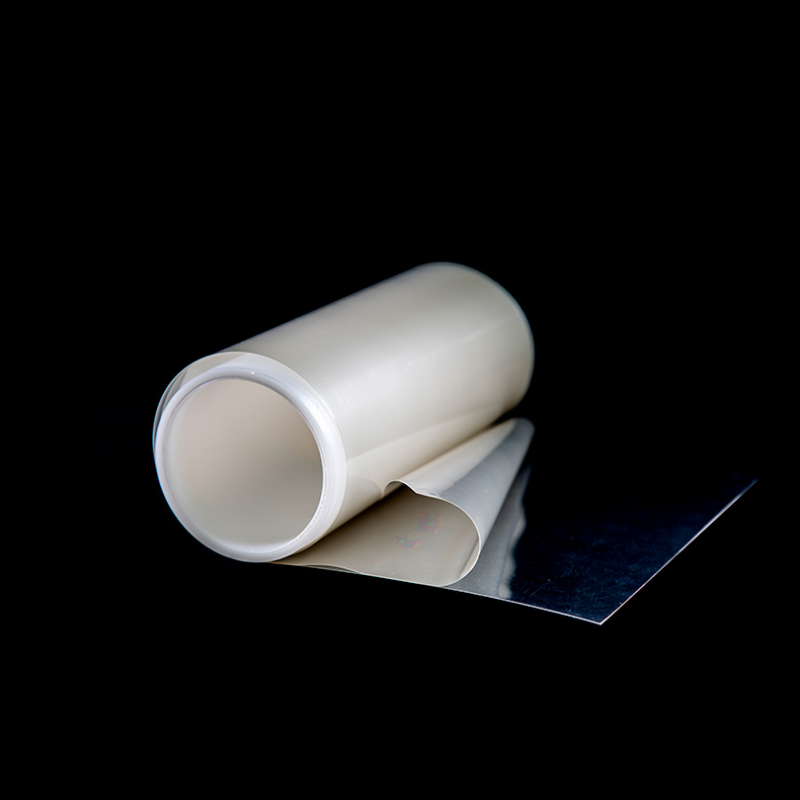
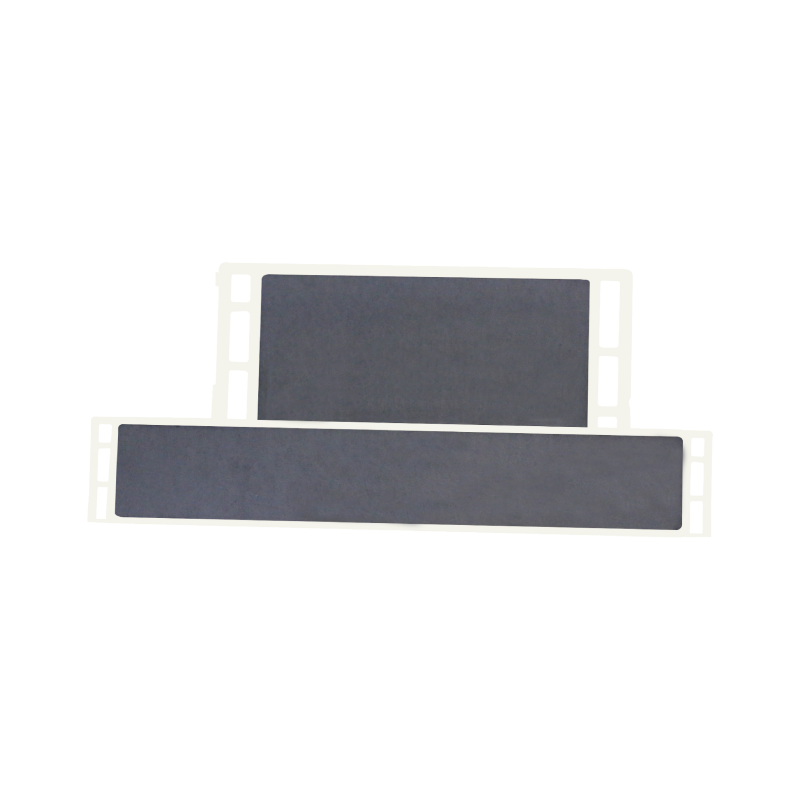
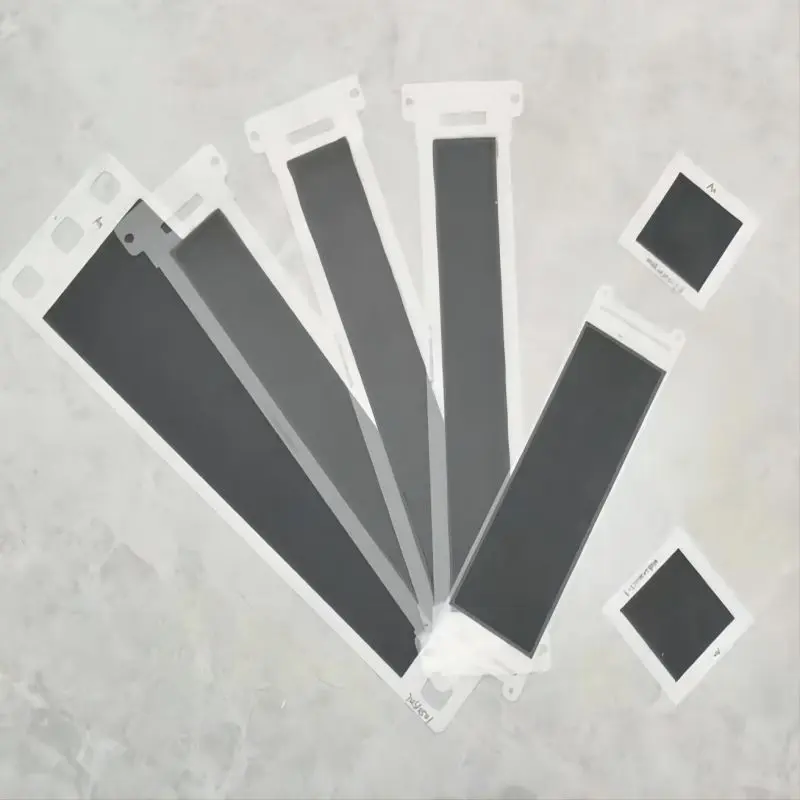
The Proton Exchange Membrane (PEM) composite membrane is a next-generation high-performance membrane material. It combines low cost, high ionic conductivity, excellent mechanical strength, dimensional stability, and outstanding physical and chemical durability. These properties make it ideal for applications in fuel cells, water electrolysis for hydrogen production, and other clean energy technologies, ensuring efficient energy conversion and long-term operational stability.
Working Principle
The PEM composite membrane achieves high proton conductivity while minimizing gas permeability through optimized membrane structure and material composition. Its microstructure and ion channel design maintain high proton conductivity even under low-humidity conditions while keeping hydrogen permeability extremely low (<0.006 ml/min·m²). The reinforced mechanical strength and dimensional stability, achieved through precision composite design, ensure reliable, long-term performance in fuel cells, water electrolysis, and other energy applications.
Key Features
- Cost-Effective High Performance:Maintains excellent conductivity and mechanical strength while reducing production costs.
- High Ionic Conductivity:Optimized structure ensures strong proton conduction even at low humidity.
- Superior Mechanical Strength and Flexibility:Tensile strength up to 28.6 MPa (MD) and 35.0 MPa (TD), elongation at break up to 465%, ensuring durability.
- Low Hydrogen Permeability:Hydrogen permeation <0.006 ml/min·m², enhancing safety.
- Excellent Hydration Stability:Low water uptake and swelling, ensuring dimensional stability and long service life across different operating conditions.
Applications
- Fuel Cells:Provides efficient proton conductivity and long-term stability for hydrogen-powered fuel cells.
- Water Electrolysis for Hydrogen Production:Ensures high conductivity and dimensional stability, improving hydrogen generation efficiency.
- Clean Energy Technologies:Suitable for CO₂ reduction, hydrogen storage, and other clean energy applications, supporting sustainable energy solutions.
| Property | WB PEMs | Commercial PEM |
| Thickness (μm) | 16.8 | 50.8 |
| Basis Weight (g/cm²) | 24.5 | 100 |
| Tensile Strength (MPa) | 28.6 (MD) / 35.0 (TD) | 32 (MD) / 32 (TD) |
| Elongation to Break (%) | 465 | 352 |
| Ion-exchange Capacity (meq/g) | 0.7 | 0.92 |
| Hydrogen Crossover (ml/min-m²) | <0.006 | <0.010 |
| Water Uptake (%) | 4 (23°C) / 15 (100°C) | 5 (23°C) / 50 (100°C) |
| Linear Expansion (%) | 4 (23°C) / 6 (100°C) | 10 (23°C) / 15 (100°C) |
| Proton Conductivity (S/cm) | Through-plane: 0.065 In-plane: 40 |
- |