 Wobo Industrial Equipment Co., Ltd.

CONTACT US


Product Overview
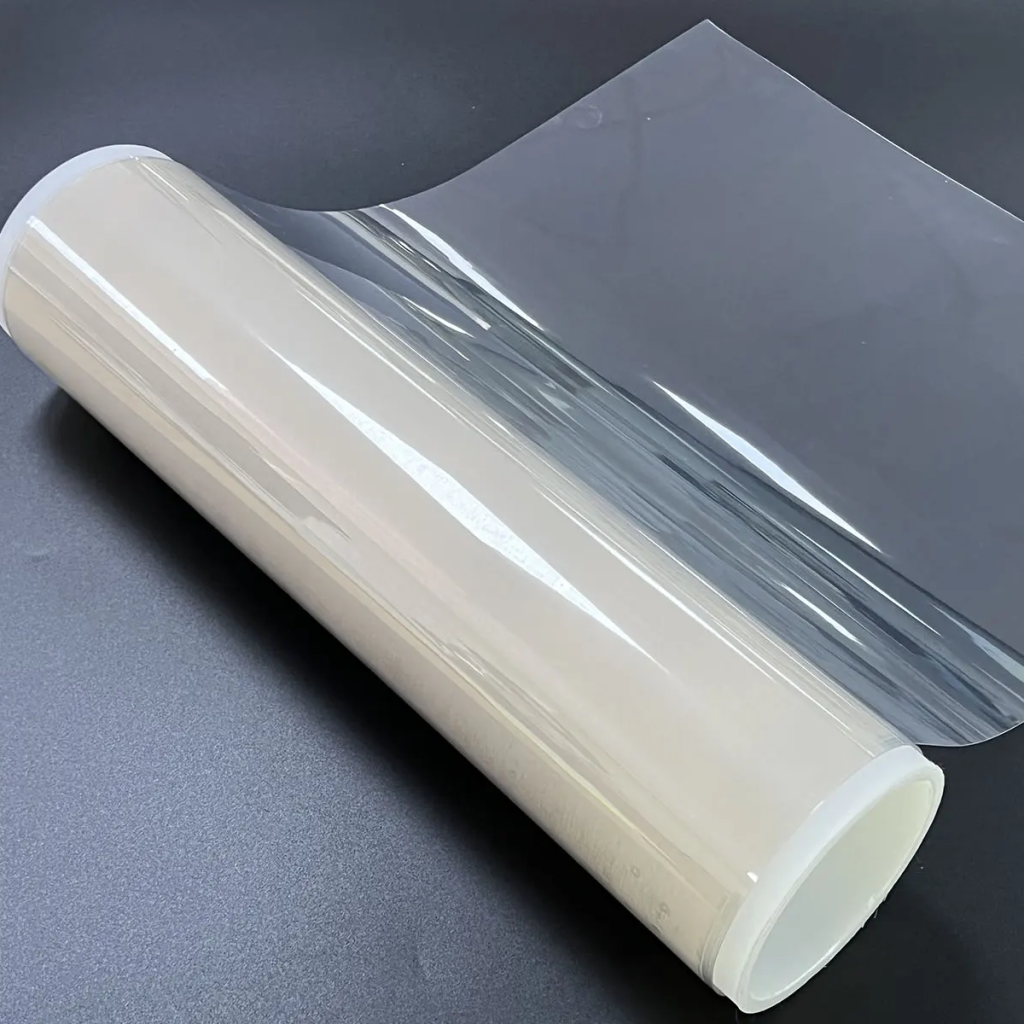
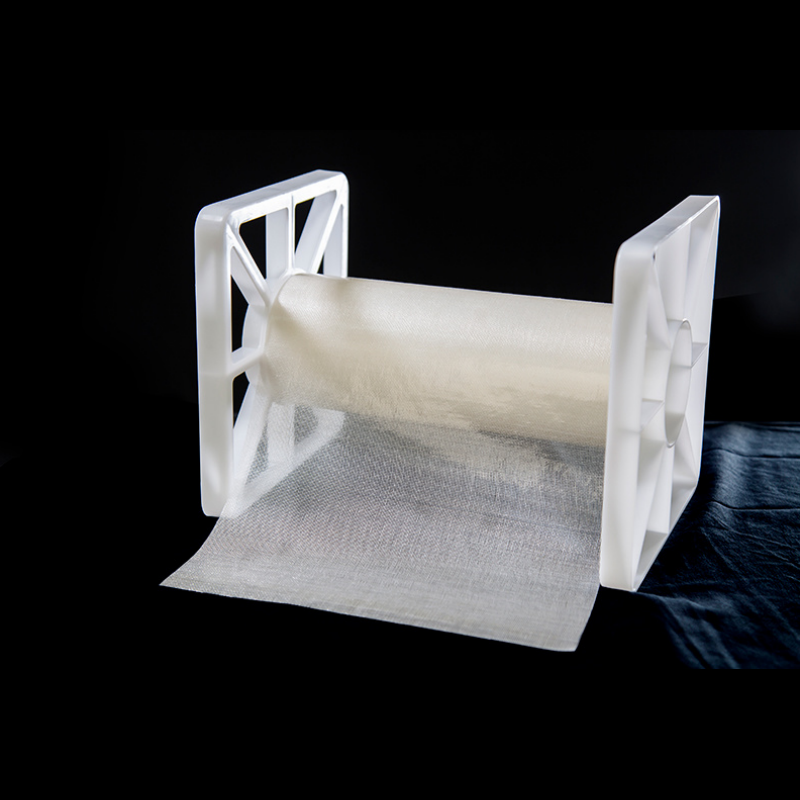
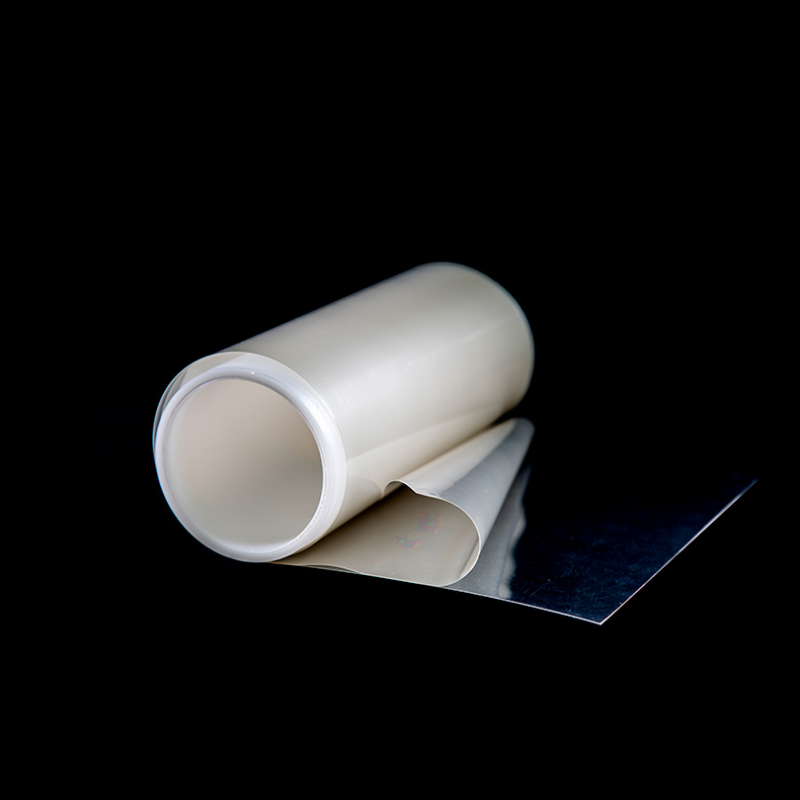
The water electrolysis hydrogen production membrane is a high-performance solid polymer electrolyte, composed of a homogeneous perfluorosulfonic acid (PFSA) membrane with functional ion-exchange end groups. It maintains excellent thermal, mechanical, electrochemical, and chemical stability even under harsh conditions such as strong acids, strong bases, and strong oxidizing agents. As a core component of PEM water electrolysis systems, this membrane enables efficient hydrogen production.
Working Principle
The membrane forms proton-conducting channels through perfluorosulfonic acid resin, allowing efficient ion transport while preventing electronic and gas permeation. During water electrolysis, the membrane connects the anode and cathode, facilitating the decomposition of water into hydrogen and oxygen. Its high mechanical strength and thermal stability ensure safe and stable operation under high-pressure and high-temperature conditions. Chemical stability guarantees long-term durability in strong acid or base environments, improving system efficiency and reliability.
Key Features
- Excellent Thermal Stability:Maintains stable electrolysis performance even at high temperatures.
- High Mechanical Strength:Ensures membrane safety and stability under high-pressure conditions.
- Superior Electrochemical Performance:High ionic conductivity supports fast and efficient water electrolysis reactions.
- Outstanding Chemical Stability:Resistant to strong acids, strong bases, and oxidizing agents, extending membrane service life.
Applications
- PEM Water Electrolysis for Hydrogen Production:Core component for high-efficiency water splitting and hydrogen generation.
- Clean Energy Technologies:Supports hydrogen and fuel cell systems, facilitating green energy transformation.
- Chemical and Metallurgical Industries:Suitable for hydrogen-requiring chemical synthesis and metal refining processes.
| Model | EME670 | EME6321 | EME6525 | EME6725 |
| Thickness (μm) | 175±10 | 120±10 | 80±4 | 50±3 |
| Grammage (g/m²) | 350±10 | 250±10 | 155±8 | 98±5 |
| Tensile Strength (Transverse/Longitudinal) (MPa) | ≥30/30 | ≥30/30 | ≥30/30 | ≥30/30 |
| Elongation at Break (Transverse/Longitudinal) (%) | ≥200/200 | ≥200/200 | ≥250/250 | ≥280/280 |
| Young's Modulus (TD/MD) (MPa) | ≥180/180 | ≥200/200 | ≥200/200 | ≥200/200 |
| Dimensional Change Rate (TD/MD/Z) (%) | ≤25/25/25 | ≤25/25/25 | ≤20/20/35 | ≤18/18/35 |
| Proton Conductivity (mS/cm) | ≥140 | ≥140 | ≥140 | ≥140 |